Yoga Teacher Training in Rishikesh: A Structured Path to Mastery and Teaching Excellence
Wiki Article
Rishikesh has evolved into a global center for yoga education, offering structured teacher training programs that combine traditional knowledge with modern teaching practices. For individuals looking to transition from personal practice to professional instruction, yoga teacher training in Rishikesh provides a systematic pathway supported by immersive learning and disciplined routines.
Program Levels and Learning Progression
Yoga teacher training courses in Rishikesh are typically organized into three tiers: 100-hour, 200-hour, and 300-hour certifications. These levels reflect a progressive learning model.
The 100-hour program introduces foundational elements such as basic postures, breathing exercises, and guided meditation. It is often chosen by beginners or those exploring yoga in a structured environment.
The 200-hour certification is the industry-standard entry point for teaching. It delivers a comprehensive understanding of yoga practice, theory, and instructional techniques. Most participants who complete this level are equipped to begin teaching in studios or independently.
The 300-hour program builds on prior certification and focuses on advanced practices, deeper philosophical study, and refined teaching methodology. It is designed for those who want to specialize or enhance their expertise.
Detailed Curriculum Framework
Yoga teacher training in Rishikesh follows a multidimensional curriculum that integrates physical, theoretical, and practical components.
Asana Training is central to the program. Students learn traditional styles such as Hatha Yoga and Ashtanga Yoga, with a strong emphasis on alignment, posture sequencing, and safe transitions. The objective is to develop both personal proficiency and the ability to instruct others effectively.
Pranayama Practices focus on breath control and energy regulation. Techniques such as controlled inhalation, retention, and exhalation are taught to improve respiratory efficiency and mental focus.
Meditation Training introduces different techniques aimed at enhancing concentration and emotional balance. Regular practice supports mental clarity and helps students cultivate awareness.
Yoga Philosophy covers classical teachings and ethical frameworks that define yoga beyond physical exercise. Students study foundational concepts that influence both personal practice and teaching approach.
Anatomy and Physiology provide a scientific understanding of body mechanics. This includes muscle engagement, joint movement, and injury prevention, all of which are critical for safe instruction.
Teaching Methodology is a practical component that prepares students to conduct classes. It includes lesson planning, verbal cueing, class management, and adaptation for different skill levels.
Daily Schedule and Training Intensity
A typical day in a yoga teacher training program in Rishikesh is structured to maximize engagement and retention. Mornings begin with meditation and pranayama, followed by an intensive asana session. These early practices help establish focus and physical readiness.
Midday sessions are Prenatal Yoga Teacher Training Course in Rishikesh India dedicated to theoretical subjects such as philosophy and anatomy. Afternoon classes often include alignment workshops and teaching practice, allowing students to apply what they have learned. Evenings may involve restorative sessions or self-study.
The schedule is demanding, requiring discipline and consistency. However, this intensity is essential for achieving meaningful progress within a limited timeframe.
Residential Model and Learning Environment
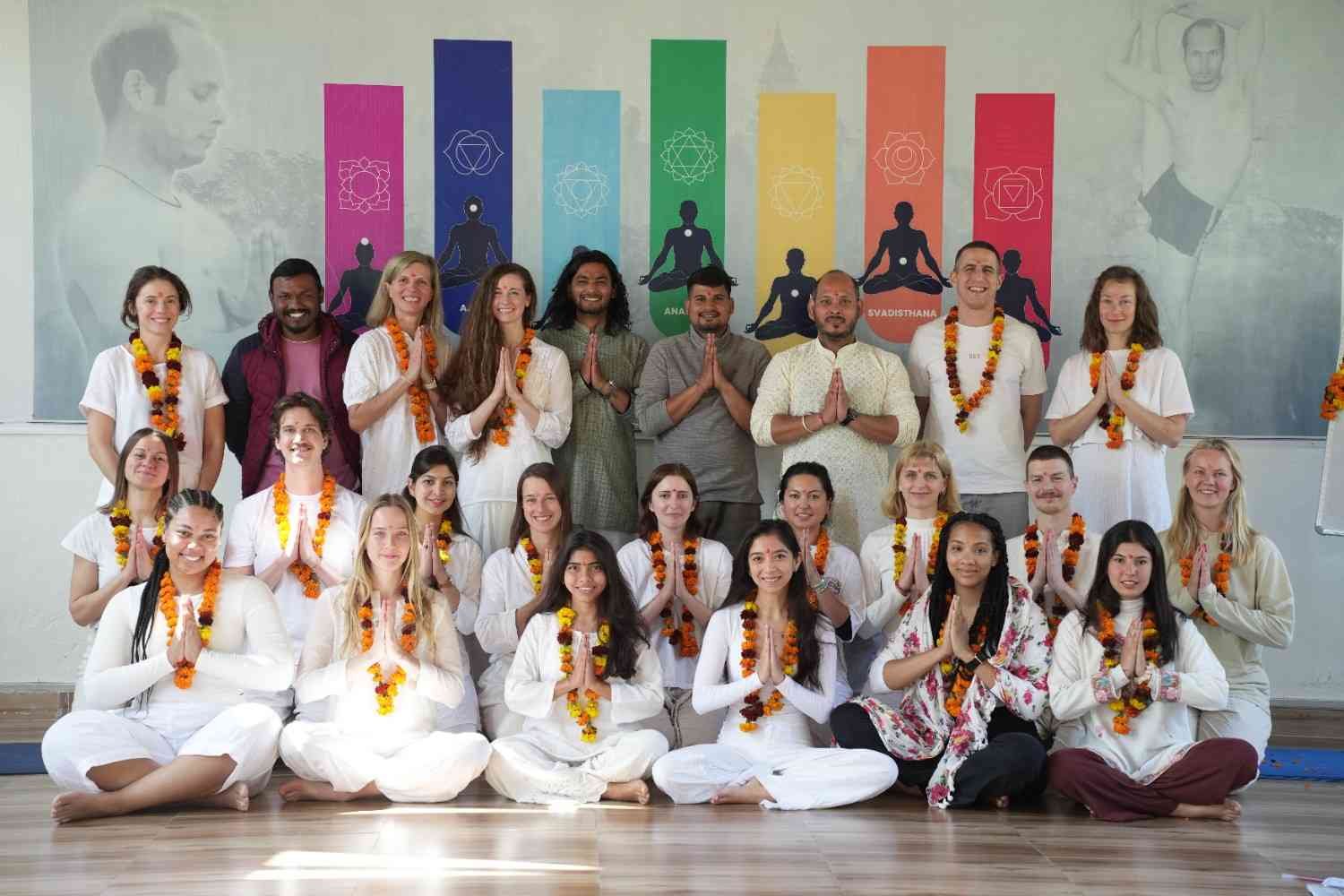
Most yoga teacher training programs in Rishikesh are conducted in a residential format. Accommodation and meals are included, enabling students to fully immerse themselves in the training process. The living conditions are typically simple but comfortable, supporting a distraction-free lifestyle.
Meals are usually vegetarian and prepared according to yogic dietary principles. This approach aligns with the overall goal of maintaining physical health and mental clarity during the course.
The natural surroundings of Rishikesh contribute significantly to the learning experience. The शांत environment, combined with fresh air and scenic landscapes, supports concentration and introspection.
Certification and Professional Scope
Upon completion of a recognized yoga teacher training course, students receive certification that qualifies them to teach yoga. The 200-hour certification is widely accepted as the minimum requirement for professional instruction.
Graduates can pursue various career paths, including teaching at yoga studios, wellness centers, or fitness facilities. Many also choose to conduct private sessions or offer online classes. Advanced certifications open Prenatal Yoga Teacher Training Course in Rishikesh India opportunities for specialization in areas such as therapeutic yoga or advanced practice.
Practical Outcomes and Skill Development
One of the key advantages of training in Rishikesh is the emphasis on practical skill development. Students gain hands-on experience through teaching practice sessions, peer feedback, and instructor guidance.
By the end of the course, participants are expected to:
Demonstrate proficiency in core yoga postures
Understand and apply alignment principles
Design and lead structured yoga classes
Communicate instructions clearly and confidently
Adapt teaching methods to suit different student needs
Conclusion
Yoga teacher training in Rishikesh offers a structured and results-oriented approach to learning. It combines traditional teachings with practical application, ensuring that students are well-prepared for both personal growth and professional teaching. The disciplined environment, comprehensive curriculum, and immersive experience make Rishikesh a leading destination for serious yoga education.